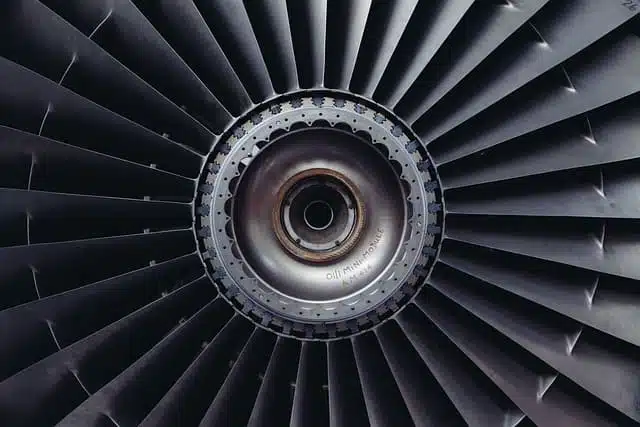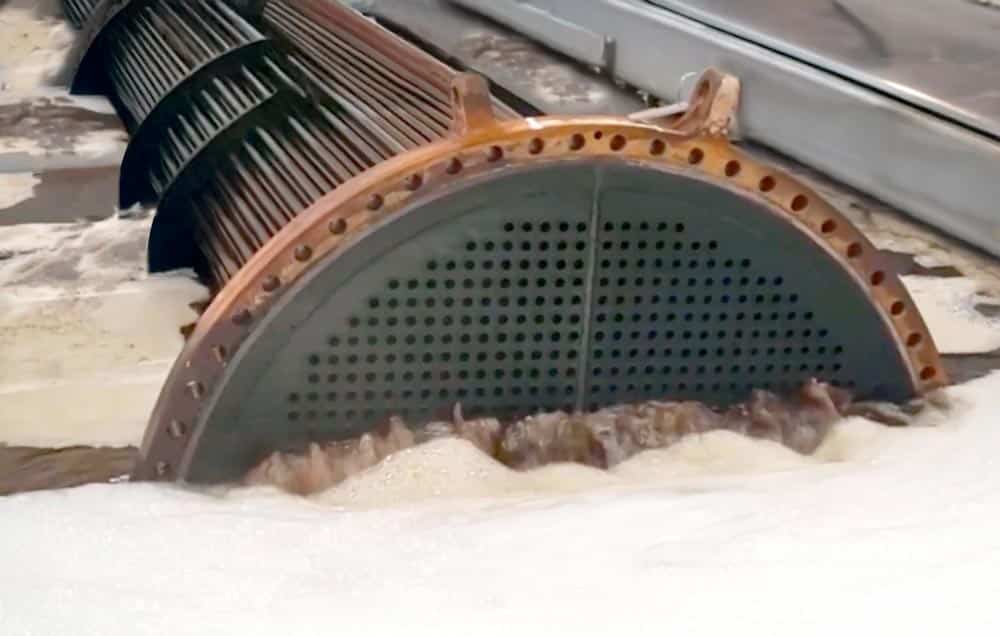
In the energy sector, a heat exchanger is a device designed to transfer heat from one fluid to another without mixing or coming into contact with each other. For example, in a power plant, heat exchangers are essential for transferring heat between different fluids and systems, improving efficiency and reducing emissions. They are used in a variety of applications, including steam generation, water preheating, cooling, and waste heat recovery.
The importance of cleaning heat exchangers
In heat exchangers, thermal efficiency can be affected by the accumulation of sediment, scale, or organic residue. If energy efficiency decreases, this increases consumption and, therefore, costs. Some studies indicate that a layer of scale just 0.8 mm can reduce system efficiency by up to 25%. This is why heat exchanger cleaning is so important.
Challenges in cleaning heat exchangers.
As we’ve discussed, cleaning a heat exchanger is essential, but it’s not a simple task. Some of the most common complications when cleaning a heat exchanger are:
Limited access and complex geometry
Many heat exchangers have highly enclosed internal designs or multiple tubes, fins, or plates, making physical access difficult. This makes conventional methods, such as scraping or manual jetting, ineffective. Furthermore, the areas that accumulate the most dirt are hidden or hard-to-reach areas.
Difficult to remove incrustations
Over time, solid deposits such as carbonates, silica, metal oxides, grease, or biological debris can form. Some adhere so strongly that they require very powerful cleaning solutions, and not all methods can remove them without damaging the equipment.
Long downtime
Cleaning often requires dismantling equipment or interrupting industrial processes, which represents economic losses due to downtime.
4 main methods of cleaning heat exchangers
High-pressure hydrojetting or hydroblasting
This method uses very high-pressure water to remove scale, sediment, and deposits adhering to internal surfaces. It’s a fast and effective option, but requires caution to avoid damaging more delicate materials.
Thermal cleaning
It involves applying controlled heat to break down organic or fatty residues accumulated inside the equipment. Although not as common as the previous methods, it is used in industrial environments where other methods are ineffective. This method can damage the heat exchanger over time and is therefore not as recommended as the others presented.
Chemical cleaning
This procedure involves circulating specific chemicals—such as descalers, detergents, or deoxidizers—that react with and dissolve contaminants. It is a very effective method in cases of severe scale buildup, although it is very important to choose the right chemical to avoid damaging the base material of the exchanger.
Ultrasonic cleaning.
A cutting-edge technology that uses ultrasonic waves to generate microbubbles in a cleaning liquid. When they collapse, these bubbles dislodge dirt without damaging the surface. It is ideal for cleaning hard-to-reach internal areas, respecting the geometry and materials of the exchanger. In combination with the appropriate chemical, this method is the fastest and safest currently available on the market. With ultrasonic cleaning, downtime is minimal, reducing it by 30% to 50% compared to other cleaning methods.
The BRIO Ultrasonics advantage for ultrasonic cleaning of heat exchangers
As we’ve seen, cleaning heat exchangers is a fundamental and necessary process. Choosing the right cleaning method is also very important, as it determines proper cleaning or wear, as well as increased or decreased downtime. Ultrasonic cleaning has proven effective and is the most beneficial system, significantly reducing maintenance downtime and extending the life of heat exchangers.
However, not all ultrasonic cleaning technologies are created equal. In many cases, standard ultrasonic technologies lose performance after months of use, and replacement and maintenance are complicated. It may even require a machine replacement or expensive repairs that require a return shipment to the factory.
In BRIO’s case, our exclusive ultrasonic emitter manufacturing process provides superior mechanical strength. This translates into extremely high durability of the ultrasonic system components and also allows us to utilize the highest power ultrasonic frequencies, achieving faster and more effective cleaning. Furthermore, our optimized modular design allows us to perform rapid maintenance without the need for costly and time-consuming repairs.
At BRIO Ultrasoniscs, we focus on sustainable, technologically advanced ultrasonic cleaning solutions tailored to our customers’ needs. This ensures fast, efficient, safe, and environmentally friendly heat exchanger maintenance.